Enterprise-grade capabilities
Purpose-built infrastructure that meets the stringent requirements of enterprise IT operations.

Ransomware-proof architecture
We have designed our solution around immutable storage with zero-trust design. S3 Object Lock in Compliance Mode ensures backup data cannot be altered or deleted, even by administrators with compromised credentials.

Instant recovery
Instant VM Recovery restores virtual machines in under 60 seconds. Application-aware processing ensures databases, Exchange, and business-critical applications restore consistently without corruption.

Complete data sovereignty
Your data never leaves the premises. Full compliance with GDPR, sector-specific regulations, and corporate governance policies. Audit-ready logging and immutable evidence trails.

Sub-minute RPO/RTO
Continuous Data Protection delivers RPOs measured in seconds. Local backup repositories enable RTOs under 1 minute for critical workloads, minimising data loss and business disruption.

Enterprise scalability
Scale from terabytes to petabytes with clustered configurations. Support for VMware, Hyper-V, Nutanix, physical servers, cloud workloads, and enterprise applications from unified management.

Automated verification
Veeam SureBackup automatically tests every backup, verifying recoverability without impacting production. Synthetic full backups eliminate backup windows whilst maintaining recovery point granularity.
Enterprise technology stack
We partner with industry leaders such as:




Hardware & storage options
Matched to your performance, capacity, and resilience requirements
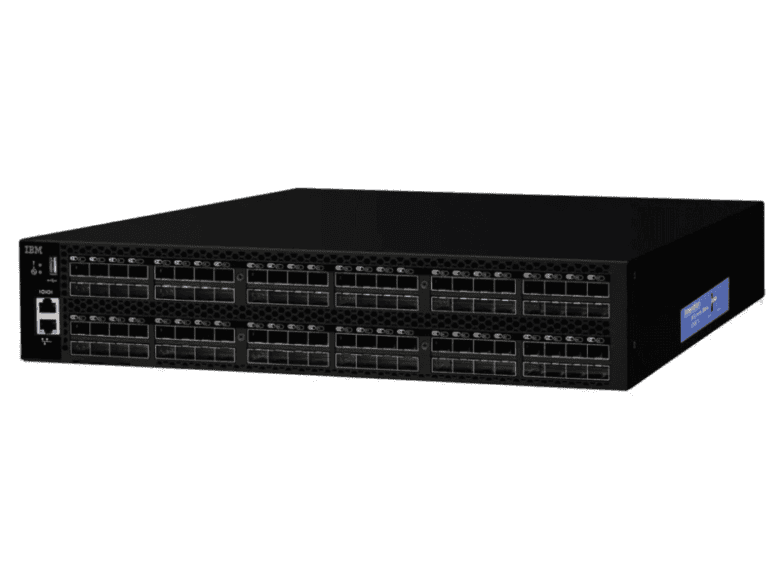
Storage Area Networks (SAN)
Fibre Channel or iSCSI SANs for block-level storage with sub-millisecond latency. Ideal for high-performance requirements and large-scale virtualisation environments
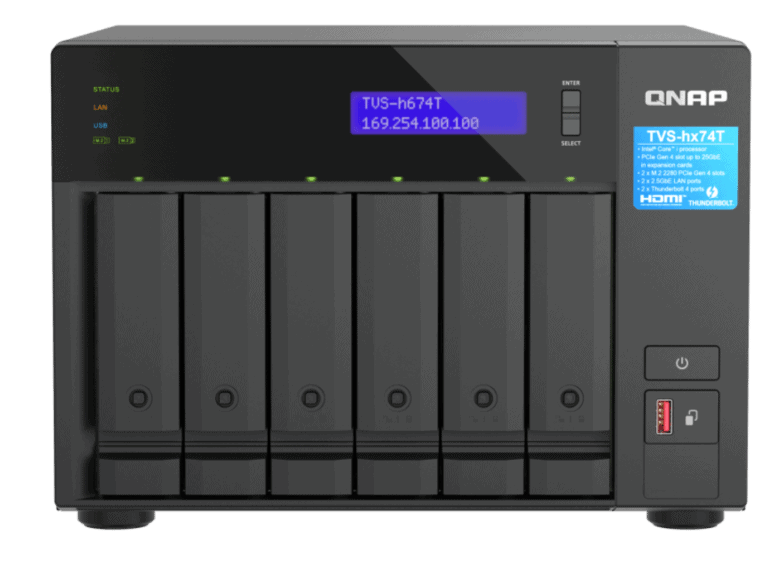
Network Attached Storage (NAS)
Enterprise NAS appliances with RAID protection, snapshots, and replication. Cost-effective for moderate workloads with excellent file-level recovery capabilities.
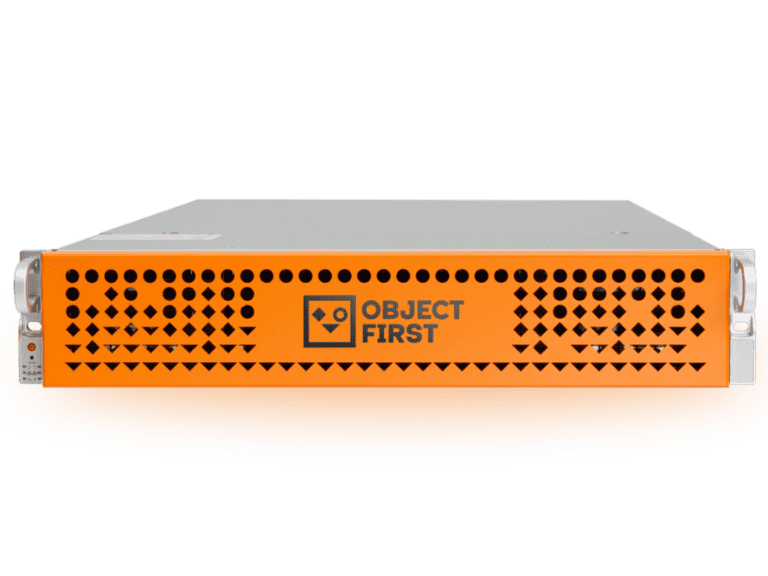
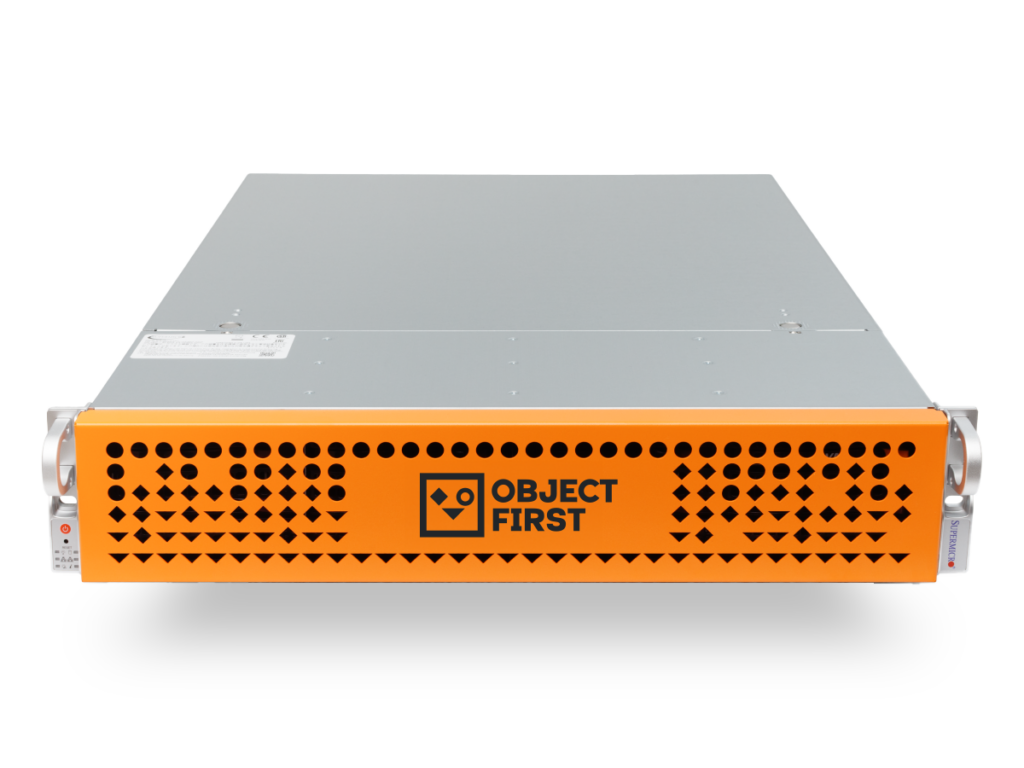
Object First Ootbi Appliances
Purpose-built immutable backup storage. Turnkey deployment with zero-trust architecture. Recommended for all organisations prioritising ransomware protection.
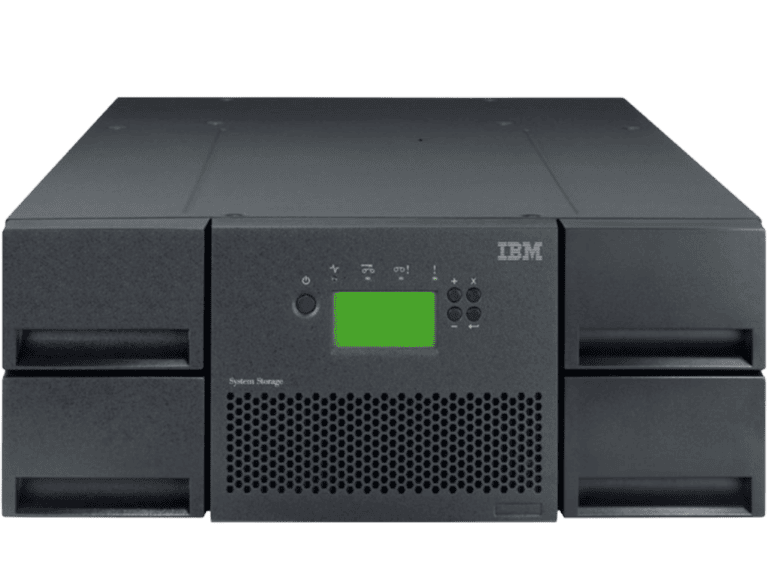
LTO Tape Libraries
LTO-9 tape for long-term retention and air-gapped offline storage. Compliance-grade archival with 30+ year media longevity. Cost-effective for regulatory retention.
On-premise vs. Cloud vs. Hybrid backup: Choosing the right strategy
|
Criteria
|
On-premise | Cloud | Hybrid |
|---|---|---|---|
| Recovery speed (RTO) | Fastest Minutes at 10Gbps+ |
Moderate Hours, bandwidth limited |
Optimal Local primary, cloud DR |
| Data sovereignty | Complete On-site governance |
Shared Third-party custody |
Configurable Tiered by sensitivity |
| CapEx vs OpEx | Higher CapEx Upfront investment |
Lower CapEx Monthly OpEx |
Balanced Mixed model |
| Site-level DR | Requires second site Additional infrastructure |
Included Geographic separation |
Optimal Multi-site protection |
| Ransomware protection | Excellent With immutable storage |
Good Off-site isolation |
Best Layered defence |
| Compliance | Optimal Full audit trail |
Provider dependent Shared responsibility |
Flexible Policy-driven tiering |
FAQs about on-premise backup solutions
On-premise backup is a data protection approach where backup infrastructure and storage reside within your organisation’s own facilities. Unlike cloud backup, which stores data on third-party servers, on-premise solutions keep your data under your direct physical control. This includes backup servers, storage devices (NAS, SAN, DAS), and management software deployed on your premises. On-premise backup offers advantages including faster recovery, complete data control, and independence from internet connectivity.
Organisations choose on-premise backup solutions for several compelling reasons: lightning-fast recovery speeds unconstrained by internet bandwidth, complete control over sensitive data, predictable costs for large datasets, compliance with data sovereignty requirements, and reliability during network outages. On-premise backup is particularly advantageous for organisations with terabytes of data, aggressive recovery time objectives, or strict regulatory requirements mandating local data storage.
The 3-2-1 backup rule is an industry best practice for data protection that recommends maintaining three copies of your data (production plus two backups), stored on two different storage media types, with one copy kept offsite. This strategy protects against multiple failure scenarios including hardware failures, site disasters, and cyber attacks. Covenco implements the enhanced 3-2-2-1 rule, adding an extra layer of redundancy for mission-critical data.
Immutable backups use Write Once Read Many (WORM) technology to create backup copies that cannot be modified, encrypted, or deleted for a specified retention period, even by administrators with full system access. When ransomware attempts to encrypt your backups, immutable storage prevents any changes, ensuring you always have clean, uninfected data to restore from. This makes immutability the most effective defence against ransomware attacks that specifically target backup systems. Covenco uses the Object First Ootbi appliance to deliver ransomware-proof immutable backups.
Recovery Point Objective (RPO) defines the maximum acceptable amount of data loss measured in time, essentially, how far back you can afford to restore from. Recovery Time Objective (RTO) specifies the maximum acceptable downtime—how quickly you must restore operations. For example, an RPO of 1 hour means backups must run at least hourly, while an RTO of 30 minutes requires infrastructure capable of restoring systems within half an hour. These metrics guide backup frequency, storage architecture, and disaster recovery planning.
Yes, our solutions provide comprehensive virtual machine backup for both VMware vSphere/ESXi and Microsoft Hyper-V environments. We use agentless backup technology that integrates with hypervisor APIs to capture VM snapshots without impacting guest operating systems. This includes support for Changed Block Tracking (CBT) and Resilient Change Tracking (RCT) for efficient incremental backups, instant VM recovery capabilities, and protection for both standalone hosts and clustered environments.
Yes, properly configured on-premise backup solutions can fully comply with HIPAA, GDPR, and other regulatory requirements. Our solutions include necessary controls such as AES-256 encryption, audit logging, access controls, retention management, and secure backup verification. For HIPAA, we provide Business Associate Agreements (BAA) and implement technical safeguards for PHI protection. For GDPR, we support data subject rights including right to erasure and maintain detailed processing records.
Storage requirements depend on your data volume, retention policies, and backup methods. As a general guideline, expect to allocate 1.5-2x your production data capacity for backups when using incremental backup with deduplication. For example, 10TB of production data typically requires 15-20TB of backup storage. Covenco provides free backup assessments to accurately calculate your storage requirements based on your specific infrastructure, retention policies, and recovery objectives.
Ransomware-proof and immutable out-of-the-box, the Ootbi appliance by Object First delivers secure, simple, and powerful on-premises backup storage.
 Ideal for Veeam customers with minimal security expertise required.
Schedule a free consultation with our backup specialists
We will assess your current data protection strategy and discover how Covenco’s on-premise backup solutions can safeguard your critical business data.
Related Resources
Related Data Management & Hardware news, events, and case studies from Covenco

Whitepapers